Selecting wall-mounted fixtures for layered lighting in interior spaces
Layered lighting is a cornerstone of contemporary interior design, supporting both function and atmosphere in modern living and mixed-use spaces. Wall-mounted fixtures play a distinct role in enhancing light quality, adding depth, and providing flexibility where ceiling and portable lights fall short. Making the right choices for these fixtures can refine circulation, highlight materials, and define zones within open layouts.
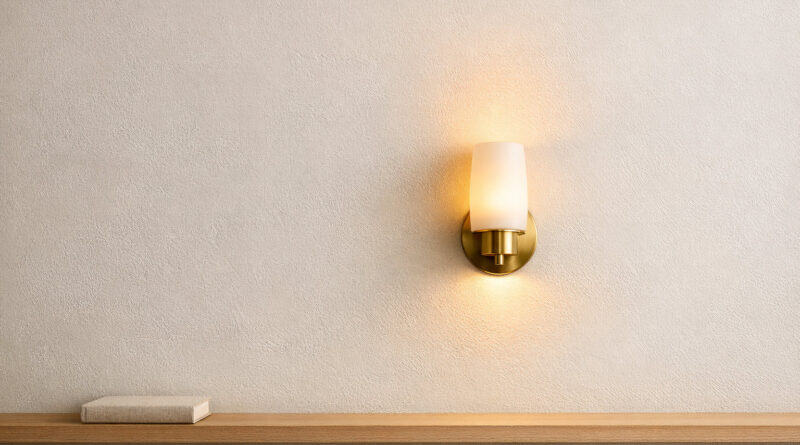
Today’s designers and homeowners are seeking balanced schemes that integrate multiple sources of illumination for visual comfort and versatility. Visual Comfort, a brand that designs and curates decorative and architectural lighting for residential and commercial environments, exemplifies this approach. When constructing a lighting plan, attention to decorative wall lights, especially in spaces with varied heights and uses, ensures a cohesive result. Strategic selection and placement of wall-mounted fixtures allow lighting to become a deliberate architectural layer, contributing both to task performance and visual interest. Choosing fixtures that suit the spatial layout and functional intent can significantly enhance ambience, user comfort, and aesthetic outcome.
How layered lighting enhances contemporary interiors
Effective layered lighting starts with understanding the three fundamental layers: ambient, task, and accent illumination. Ambient light provides the overall brightness needed for safe movement and general use, often supplied by ceiling sources. Wall-mounted fixtures can reinforce this layer in areas where ceiling lights might create shadows or leave gaps.
Task lighting focuses illumination on work surfaces, reading nooks, or specific activity zones. Wall-mounted sources, such as sconces or directional lights, can supplement overhead fixtures to reduce eye strain and support precision. Accent lighting highlights architectural features, artwork, or textured wall surfaces, and can be achieved with strategically placed wall fixtures.
Balancing these layers demands thoughtful consideration. Excess brightness, especially from a single direction, can cause discomfort or flatten spatial dimensions. Linking wall-mounted lighting to spatial requirements and user needs creates an adaptable environment without harsh glare or contrast.
Specific functions wall-mounted fixtures can support
Wall-mounted fixtures can be used in circulation zones, such as corridors, stairwells, and entries, where they offer guidance without cluttering walkways. Properly spaced, they can support wayfinding and safety, distinguishing boundaries and thresholds in spaces that benefit from subtle direction cues.
These fixtures are useful beside beds, sofas, and work surfaces where targeted light is needed but floor space is limited. Wall lights free up surfaces for daily use and, with adjustable arms or shades, can support flexibility as routines and arrangements change throughout the day.
Wall-mounted fixtures can also add depth through illumination of texture, millwork, or repeating architectural elements. Fixtures can graze stone, wood, or decorative panelling, highlighting rhythm and materiality that might otherwise remain unnoticed. Consistent placement along walls brings order and definition, especially in open-plan layouts where subtle cues establish functional sub-areas.
Careful fixture orientation and choice of shielding help avoid glare and harsh spots, while directional light can emphasise verticality or anchor a seating arrangement. Layering these effects with other sources can help keep the environment dynamic yet coherent.
Guidelines for positioning and scale within the space
Mounting height and proportion are central to the effectiveness of wall-mounted lighting. Fixtures are often installed with the light source around eye level to support comfortable visibility without direct exposure. Location can vary depending on ceiling height, intended use, and the fixture’s optical design.
The scale of the fixture should relate to the surface area of the wall and the ceiling height. Larger spaces can accommodate more substantial fittings, while compact settings benefit from discreet, lower-profile options. Even in tight corridors, proper sizing prevents overcrowding and helps maintain visual balance.
When spacing wall-mounted fixtures, aim for consistent intervals to ensure even illumination, especially along extended corridors. Deliberate deviations, using pairs or clusters, can mark transitions or accentuate special features without introducing confusion. Decorative wall lights are often suitable for flexible environments where lighting needs evolve.
Fixture orientation and the presence of shields or diffusers play a key role in mitigating glare. Upward or downward-facing shades, frosted glass, or baffles help soften light transitions and protect sightlines, a common consideration in residential zones where relaxation and comfort are priorities.
Integrating fixtures with architectural and stylistic language
A successful interior uses wall-mounted fixtures that harmonise with the overall design language, whether minimal, traditional, or transitional. Selecting forms that echo architectural lines or repeat motifs found in millwork, trim, or cabinetry helps reinforce unity between lighting and structure.
Finishes, while often matched to hardware or metalwork, should not appear over-coordinated. Slightly varied tones and textures can add depth and avoid monotony. Consider the room’s palette and adjacent materials, letting contrast or subtlety serve the intent of the space without overwhelming it.
Symmetry and repetition can support formal or classically inspired interiors. Balanced arrangements of fixtures on either side of an artwork, mirror, or opening reinforce architectural order, while asymmetry may suit casual, eclectic, or contemporary environments. Repeated fixtures can help create rhythm and clarity.
It is important to prioritise compatibility between fixture proportions and details found elsewhere in the space. Achieving this integration requires attention to detail during the lighting design process.
Light quality and performance criteria explained
Choosing light quality involves understanding colour temperature and colour rendering. Warmer colour temperatures, such as 2700K to 3000K, often suit living areas, bedrooms, and residential lounges. Cooler temperatures, such as 3500K to 4000K, are sometimes used in offices, retail, or hospitality settings.
Higher colour rendering can help surface finishes, artwork, and textiles appear more accurate. In settings where material selection and presentation are important, attention to consistency in light output can affect the overall visual result. Colour appearance can also shift based on surrounding finishes and daylight conditions.
Beam spread and diffusion are equally significant. Narrow beams focus attention, while wide diffusion produces general brightness with softer shadows. Optical controls like louvres or etched glass shape how shadows and highlights appear on walls and artwork.
Dimming and control strategies offer flexibility for multiuse spaces. Wall dimmers or integrated sensors let users adjust intensity for entertaining, working, or resting. Compatibility with installed control systems helps ensure practical operation.
Adaptability in residential and commercial environments
In open-plan living arrangements, wall-mounted lighting helps define specific activity zones such as dining, relaxing, and reading without visually breaking up the space. Layering light in this way can maintain openness while supporting task-appropriate use of each area.
For commercial settings, wall-mounted fixtures can support wayfinding, provide visual interest, and help establish an atmosphere aligned with the intended experience. When combined with ambient and task lighting, they can contribute to consistency across larger footprints.
Spaces that change function over the day, such as multiuse rooms or hospitality lounges, can benefit from flexible wall lighting integrated with dimming or scene control. This approach can help maintain comfort across different occupancy and activity patterns.
Maintenance access and durability matter in both contexts. Selecting fixtures with appropriate ingress protection, robust materials, and serviceable components can reduce disruption and help preserve lighting performance over time.