
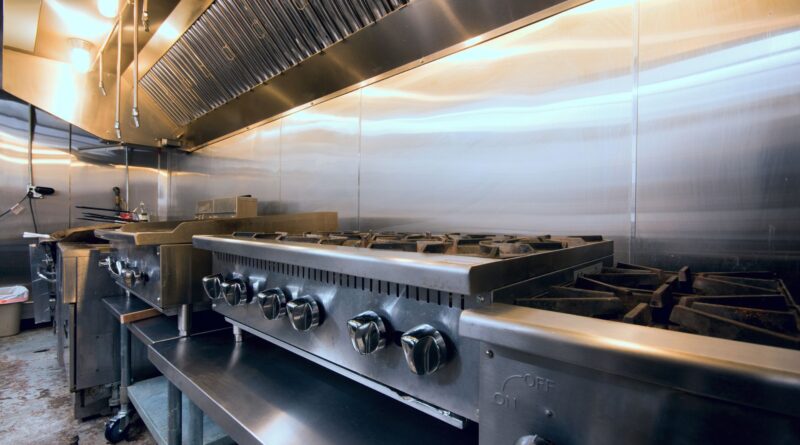
Professional Restaurant & Commercial Ovens & Stove Repair in Austin, TX
Running a restaurant or food service business in Austin, Texas is both exciting and demanding. Known for its vibrant culinary culture, food trucks, fine dining establishments, bakeries, hotels, and catering businesses, Austin thrives on consistency, quality, and speed. At the heart of every successful commercial kitchen are reliable ovens and stoves. When these critical appliances fail, even for a short period, the consequences can be severe—lost revenue, unhappy customers, safety hazards, and damaged reputation. Professional Restaurant & Commercial Ovens & Stove Repair in Austin, TX is essential for minimizing downtime and keeping kitchen operations running smoothly.
This comprehensive guide explores everything restaurant owners, kitchen managers, and food service professionals need to know about commercial oven and stove repair services in Austin. From understanding common equipment problems to choosing the right repair provider and maintaining long-term performance, this post serves as an authoritative resource for keeping your kitchen running efficiently.
The Importance of Functional Commercial Ovens and Stoves
Commercial ovens and stoves are the backbone of any professional kitchen. Unlike residential appliances, they are built to handle continuous use, higher temperatures, and large-scale food production. These machines support daily operations across a wide range of businesses, including:
- Restaurants and cafes
- Food trucks and trailers
- Bakeries and pastry shops
- Hotels and resorts
- Catering companies
- Schools and universities
- Hospitals and healthcare facilities
- Corporate cafeterias
When these appliances are functioning properly, kitchens operate smoothly. When they fail, productivity halts.
Impact of Equipment Failure on Restaurant Operations
A malfunctioning oven or stove can cause a chain reaction of problems:
- Service delays: Orders take longer or cannot be completed
- Menu limitations: Certain dishes may need to be removed
- Revenue loss: Fewer customers served means reduced income
- Food waste: Ingredients may spoil or be unusable
- Staff inefficiency: Kitchen teams cannot work at full capacity
- Safety concerns: Gas leaks, electrical issues, or overheating pose risks
In a competitive city like Austin, even one day of downtime can affect customer loyalty.
Common Types of Commercial Ovens and Stoves Used in Austin
Austin’s food scene is diverse, and so is the equipment used in commercial kitchens. Understanding your appliance type helps diagnose issues faster and ensures proper repair.
Commercial Ovens
- Convection Ovens
Use fans to circulate hot air evenly. Common in restaurants and bakeries. - Deck Ovens
Popular in pizzerias and bakeries for even heat and crust quality. - Combi Ovens
Combine steam and convection cooking; widely used in modern kitchens. - Rotary Ovens
Often used in large bakeries for high-volume baking. - Conveyor Ovens
Found in pizza chains and fast-paced kitchens. - Range Ovens
Integrated with stovetops for multifunction cooking.
Commercial Stoves and Ranges
- Gas Ranges
Preferred by chefs for precise heat control. - Electric Ranges
Used where gas is unavailable or restricted. - Induction Cooktops
Energy-efficient and increasingly popular. - Flat Top Griddles
Common in diners, breakfast restaurants, and food trucks. - Wok Ranges
Essential in Asian and fusion restaurants.
Common Problems with Commercial Ovens and Stoves
Commercial cooking equipment endures heavy wear and tear. Even high-quality brands experience issues over time.
Oven Problems
- Inconsistent temperatures
- Oven not heating at all
- Overheating
- Faulty thermostats
- Broken door seals
- Fan motor failure
- Ignition problems
- Control panel errors
Stove and Range Issues
- Burners not lighting
- Uneven flame or heat distribution
- Gas smell or leaks
- Electrical faults
- Broken knobs or valves
- Pilot light problems
- Induction cooktop sensor errors
Ignoring these problems can lead to more extensive damage and higher repair costs.
Why Professional Commercial Appliance Repair Matters
Attempting to fix commercial ovens or stoves without proper training can be dangerous and costly. Professional repair services offer several advantages:
Safety Compliance
Commercial kitchen appliances involve gas lines, high-voltage electricity, and extreme heat. Certified technicians follow safety codes and regulations to prevent hazards.
Accurate Diagnostics
Professionals use specialized tools and manufacturer knowledge to pinpoint issues quickly, avoiding guesswork.
Manufacturer Expertise
Experienced technicians understand various brands and models, ensuring repairs align with manufacturer standards.
Long-Term Cost Savings
Proper repairs prevent recurring issues and extend the lifespan of equipment, reducing replacement costs.
Minimal Downtime
Professional services prioritize quick turnaround to get kitchens operational as soon as possible.
Industries That Rely on Commercial Oven and Stove Repair in Austin
Austin’s economy includes a wide range of food-related industries that depend on reliable repair services.
Restaurants and Bars
From fine dining establishments downtown to casual eateries and bars across the city, functional cooking equipment is essential.
Food Trucks
Austin is famous for its food truck culture. Compact kitchens mean every appliance must work perfectly.
Bakeries and Cafés
Precise temperature control is critical for baking consistency.
Hotels and Resorts
Large-scale food production requires dependable equipment to serve guests around the clock.
Schools and Institutions
Cafeterias rely on commercial ovens and stoves to feed hundreds or thousands daily.
Catering Companies
Events depend on timing and quality, making equipment reliability non-negotiable.
Choosing the Right Commercial Oven & Stove Repair Service in Austin
Not all repair services are equal. Selecting the right provider ensures quality results and peace of mind.
Key Qualities to Look For
- Experience and Certification
Technicians should be trained and certified to work on commercial equipment. - Brand Knowledge
Familiarity with major brands such as Vulcan, Hobart, Garland, Southbend, Blodgett, Rational, Bakers Pride, and more. - Fast Response Times
Emergency repair availability is crucial in the restaurant industry. - Transparent Pricing
Clear estimates without hidden fees. - Warranty on Repairs
Guarantees on parts and labor indicate confidence in workmanship. - Local Expertise
Understanding Austin’s health codes and business environment is an advantage.
Preventative Maintenance: The Key to Longevity
One of the most effective ways to avoid unexpected breakdowns is preventative maintenance.
Benefits of Preventative Maintenance
- Reduces unexpected equipment failure
- Improves energy efficiency
- Ensures consistent cooking performance
- Extends equipment lifespan
- Helps meet health and safety regulations
Common Maintenance Practices
- Regular cleaning of burners and vents
- Inspecting gas lines and electrical connections
- Checking thermostats and sensors
- Replacing worn parts before failure
- Calibrating temperature controls
Scheduled maintenance programs are especially beneficial for high-volume kitchens.
Signs You Need Immediate Commercial Oven or Stove Repair
Some issues require urgent attention to prevent further damage or safety risks.
- Strong gas odor
- Equipment not turning on
- Frequent circuit breaker trips
- Excessive smoke
- Unusual noises
- Fluctuating temperatures
- Visible sparks or flames
Ignoring these signs can result in costly repairs or forced shutdowns.
Repair vs. Replacement: Making the Right Decision
Not every equipment issue requires replacement. In many cases, professional repair is the more economical choice.
When Repair Makes Sense
- Equipment is less than 10–15 years old
- Replacement parts are readily available
- Damage is localized
- Repair costs are significantly lower than replacement
When Replacement May Be Better
- Frequent breakdowns
- Outdated or discontinued models
- High energy inefficiency
- Repair costs exceed 50% of replacement cost
A professional technician can help evaluate the best option.
Energy Efficiency and Modern Commercial Cooking Equipment
Modern ovens and stoves are designed with energy efficiency in mind. Proper repair and maintenance help maintain these benefits.
Energy-Efficient Features
- Programmable controls
- Improved insulation
- Faster preheating
- Reduced heat loss
- Induction cooking technology
Maintaining these systems ensures lower utility bills and a smaller environmental footprint.
Compliance with Health and Safety Regulations in Austin
Austin’s health department enforces strict guidelines for commercial kitchens.
Importance of Compliance
- Prevents fines and penalties
- Protects customers and staff
- Maintains operating licenses
- Ensures food safety
Professional repair services ensure equipment meets local codes and inspection standards.
Emergency Commercial Oven & Stove Repair Services
Kitchen emergencies don’t follow business hours. Emergency repair services are essential for minimizing downtime.
Situations That Require Emergency Repair
- Total oven or stove failure
- Gas leaks
- Electrical malfunctions
- Fire hazards
- Critical service disruptions during peak hours
Having a trusted local repair provider can make all the difference.
The Role of Technology in Modern Repairs
Advancements in technology have improved repair accuracy and efficiency.
Diagnostic Tools
- Digital multimeters
- Thermal imaging
- Smart control diagnostics
Manufacturer Support
Technicians often work directly with manufacturers for software updates and specialized parts.
Supporting Local Austin Businesses
Choosing a local commercial appliance repair service supports Austin’s economy and ensures faster service.
Benefits of Local Providers
- Faster response times
- Personalized service
- Knowledge of local regulations
- Long-term service relationships
Local businesses understand the unique challenges of operating in Austin’s competitive food scene.
Tips for Restaurant Owners to Extend Equipment Life
Beyond professional maintenance, daily habits play a role in equipment longevity.
- Train staff on proper use
- Avoid overloading ovens
- Clean spills immediately
- Monitor performance regularly
- Report issues early
Proactive care reduces the likelihood of major repairs.
Understanding Major Commercial Oven & Stove Brands and Their Repair Needs
Commercial kitchens in Austin rely on a wide variety of appliance brands, each with unique engineering, parts, and repair considerations. Understanding these differences helps restaurant owners appreciate the importance of experienced technicians who are familiar with brand-specific systems.
Vulcan Commercial Equipment
Vulcan is one of the most widely used brands in professional kitchens. Known for durability and power, Vulcan ovens and ranges are common in high-volume restaurants.
Common repair issues include:
- Thermostat calibration problems
- Worn-out gas valves
- Ignition failures
- Burner inconsistencies
Proper servicing requires technicians familiar with Vulcan’s safety systems and gas flow mechanisms.
Garland Commercial Ovens & Ranges
Garland equipment is popular for its performance and versatility. However, heavy usage can lead to wear over time.
Typical service needs:
- Faulty control boards
- Uneven heating
- Broken pilot assemblies
- Electrical connection issues
Because Garland units often feature advanced controls, professional diagnostics are essential.
Southbend Commercial Cooking Equipment
Southbend ovens and stoves are known for reliability but require routine maintenance to perform at peak levels.
Common concerns include:
- Temperature fluctuation
- Door seal deterioration
- Burner clogging
- Ignition delays
Experienced repair ensures these units maintain efficiency and safety.
Blodgett Ovens
Widely used in bakeries and restaurants, Blodgett ovens require precision servicing.
Frequent repair needs:
- Fan motor failures
- Control panel malfunctions
- Steam injection issues
- Uneven baking
Improper repairs can significantly affect cooking consistency.
Rational Combi Ovens
Rational ovens represent advanced cooking technology and are common in upscale and institutional kitchens.
Specialized repair requirements:
- Software diagnostics
- Sensor calibration
- Steam system repairs
- Water filtration system maintenance
Only trained professionals should handle these high-tech systems.
The Unique Challenges of Commercial Kitchen Repairs in Austin, TX
Austin’s climate, regulations, and business environment present unique challenges for restaurant equipment maintenance and repair.
Climate-Related Wear and Tear
Austin experiences hot summers and fluctuating humidity levels, which can impact commercial cooking equipment.
Effects include:
- Increased strain on cooling fans
- Corrosion in gas and electrical components
- Faster deterioration of seals and gaskets
Regular inspections help mitigate climate-related damage.
Health Department Inspections
Austin’s health inspections are rigorous. Malfunctioning ovens or stoves can lead to violations.
Inspection concerns often involve:
- Inconsistent cooking temperatures
- Gas safety compliance
- Cleanliness of equipment
- Proper ventilation
Professional repairs ensure appliances meet inspection standards.
High Competition in the Food Industry
With thousands of restaurants and food trucks in Austin, downtime can mean losing customers to competitors.
Fast, reliable repair services help businesses stay operational and competitive.
Food Truck Oven & Stove Repair Considerations
Food trucks are a vital part of Austin’s culinary identity. However, their compact kitchens create unique repair challenges.
Space Constraints
Repairs must often be performed in tight spaces, requiring specialized tools and expertise.
Mobile Wear and Tear
Vibration and movement cause faster loosening of components, gas fittings, and electrical connections.
Power and Gas Limitations
Food trucks often rely on generators or limited gas supply, making precise calibration critical.
Professional repair technicians familiar with food truck setups can resolve issues efficiently without compromising safety.
Seasonal Demand and Equipment Stress
Different seasons place different demands on commercial ovens and stoves.
Peak Seasons
- Festivals and events
- Holidays
- Tourist seasons
During peak periods, equipment operates longer hours, increasing the risk of failure.
Off-Peak Maintenance
Slower seasons are ideal for:
- Deep maintenance
- Part replacements
- Performance optimization
Planning maintenance around business cycles reduces emergency breakdowns.
The Cost of Ignoring Small Problems
Minor issues often escalate into major failures when left unaddressed.
Examples of Escalation
- A slightly inconsistent burner becomes a full gas valve replacement
- A small temperature fluctuation leads to thermostat failure
- Ignition delays cause complete system shutdown
Early intervention saves time and money while preventing safety risks.
Staff Training and Its Role in Equipment Longevity
While professional repair is essential, staff behavior significantly impacts equipment lifespan.
Proper Usage Training
Employees should understand:
- Correct startup and shutdown procedures
- Temperature limits
- Load capacities
Cleaning Responsibilities
Improper cleaning can damage components.
Best practices include:
- Avoiding excess water near controls
- Using approved cleaning agents
- Cleaning spills promptly
Well-trained staff reduce unnecessary repair calls.
Gas vs. Electric Commercial Stove Repair Differences
Understanding the difference between gas and electric stove repairs helps set expectations.
Gas Stove Repairs
Often involve:
- Ignition systems
- Gas valves
- Burners
- Safety shut-off mechanisms
Gas repairs require strict adherence to safety codes.
Electric Stove Repairs
Typically focus on:
- Heating elements
- Control boards
- Wiring
- Sensors
Electric systems require advanced electrical diagnostics.
Both require specialized expertise and should never be handled without proper training.
How Preventative Maintenance Reduces Emergency Calls
Emergency repairs are disruptive and costly. Preventative maintenance programs help avoid them.
What a Maintenance Program Typically Includes
- Scheduled inspections
- Cleaning of internal components
- Calibration of temperature controls
- Replacement of worn parts
- Performance testing
Businesses enrolled in maintenance programs often experience fewer breakdowns and longer equipment life.
Downtime Costs: The Hidden Expense of Equipment Failure
The true cost of a broken oven or stove extends beyond repair bills.
Hidden Costs Include:
- Lost sales
- Employee downtime
- Food waste
- Customer dissatisfaction
- Negative online reviews
Reliable repair services help protect revenue and reputation.
Emergency Preparedness for Commercial Kitchens
Every restaurant should have an emergency plan for equipment failure.
Best Practices
- Maintain a relationship with a trusted repair provider
- Keep service records
- Train staff on emergency shutdown procedures
- Know how to identify gas or electrical hazards
Preparedness minimizes chaos during unexpected failures.
Sustainability and Responsible Equipment Repair
Repairing equipment instead of replacing it contributes to sustainability.
Environmental Benefits
- Reduced landfill waste
- Lower manufacturing emissions
- Improved energy efficiency
Many Austin businesses value environmentally responsible practices, making professional repair an eco-conscious choice.
Building Long-Term Relationships with Repair Professionals
Consistent service from a trusted provider offers long-term benefits.
Advantages Include:
- Familiarity with your equipment history
- Faster diagnostics
- Priority scheduling
- Better maintenance planning
Long-term partnerships lead to smoother operations and fewer emergencies.
Preparing Your Kitchen for Future Growth
As restaurants expand, equipment demands increase.
Planning Ahead Includes:
- Evaluating current equipment capacity
- Upgrading components when necessary
- Ensuring repair support for new models
Professional repair technicians can advise on scalability and future needs.
Conclusion
Commercial ovens and stoves are essential assets for any food service operation in Austin, Texas. Their performance directly affects food quality, customer satisfaction, and business profitability. Investing in professional repair and maintenance services is not just a reactive measure—it’s a strategic decision that protects your business.
Whether you operate a bustling downtown restaurant, a popular food truck, or a large institutional kitchen, reliable repair services ensure continuity, safety, and efficiency. By choosing experienced professionals, prioritizing preventative maintenance, and addressing issues promptly, Austin businesses can keep their kitchens running at peak performance year-round.


