Aluminum LED Profiles for Clean Strip Installation
The most useful way to compare aluminum LED profiles is to start with the installation constraints and then work back to output, colour and control.
What this product group is designed to do
An aluminum LED profile is both a mechanical carrier and a finishing element for LED strip. It creates a straight installation line, protects the tape from accidental contact, holds a diffuser and helps transfer heat away from the LED board. The LEDUA profile section includes recessed, surface-mounted, suspended, drywall, floor, stair, glass, wardrobe-rail and shadow-gap solutions, along with diffusers, end caps, mounts and connectors.
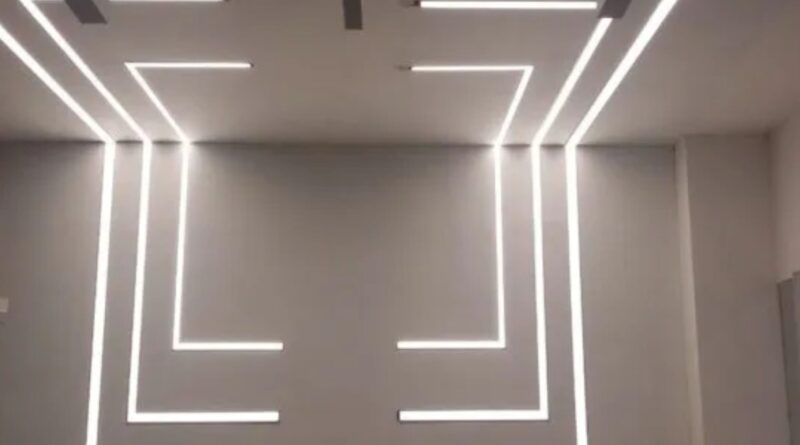
In the LEDUA range, this page concentrates on recessed, surface-mounted, suspended, drywall, stair, glass, floor, shadow-gap and wardrobe-rail profile families with diffusers and accessories. It is relevant to interior coves, furniture, stairs, cabinets, glass shelves, ceilings and architectural light lines. The category therefore has a narrower technical purpose than a general lighting page, which helps buyers compare products that share the same installation logic.
The profile should be selected together with the LED strip, not after it. A channel that is too narrow cannot accept the PCB, while a shallow profile with a very transparent diffuser may reveal individual LED points. Deeper profiles create more mixing distance and usually produce a smoother line. Recessed and drywall models also need their installation dimensions coordinated with the finishing build-up before plastering or joinery work begins.
For furniture and architectural details, the visible finish of the profile matters. A clean cut, aligned diffuser and properly fitted end cap make a large difference because the profile often remains in view even when the light is off. Where the light line crosses a joint or changes direction, connector space and cable routing should be resolved on the drawing rather than left to the installer.
Check the complete bill of materials
The main light source is only part of the order. Depending on the category, aluminum LED profiles may also need a compatible driver, controller, profile, diffuser, mounting clip, end cap, connector or mains-rated connection accessory. List these items before the installation date rather than discovering missing parts on site.
Where several zones are controlled together, calculate the total load and confirm the switching or controller capacity. Where zones need independent scenes, divide them electrically at the design stage.
Parameters to check before ordering
Use a written checklist instead of relying on a single headline specification. For aluminum LED profiles, the following points are especially relevant:
- Accessories: end caps, mounting clips, suspension parts and connectors should be specified with the profile from the start.
- Heat path: high-power strip benefits from good contact with the aluminum base, so adhesive and mounting surfaces matter.
- Profile type: surface, recessed, drywall, suspended, stair, floor, glass and furniture profiles solve different construction details.
- Internal width: the channel has to fit the selected LED strip, including wider RGB or high-density boards.
- Diffuser: opal or other diffuser types change glare, dot visibility and light loss.
Balance appearance, output and serviceability
A lighting detail is successful only when it looks good both switched on and switched off. With aluminum LED profiles, check visible housings, cable exits, fasteners and transitions between illuminated and non-illuminated areas. In interior coves, furniture, stairs, cabinets, glass shelves, ceilings and architectural light lines, these details are often close to eye level, so untidy mounting can be more noticeable than a small difference in luminous flux.
The products in this area are distinguished by recessed, surface-mounted, suspended, drywall, stair, glass, floor, shadow-gap and wardrobe-rail profile families with diffusers and accessories. Use the visual requirement to narrow the category first, then confirm the electrical and mechanical specifications. This sequence usually produces a more coherent result than selecting the brightest available product and trying to hide the technical compromises later.
For the current LEDUA selection and product specifications, see https://leduastore.com/aluminum-led-profiles/.
What to decide before purchase
The key decisions for aluminum LED profiles are not complicated, but they should be made in the right order: task, position, size, power, colour, control and protection. Treating those decisions as one system produces a cleaner result and fewer compatibility issues on site.