Beyond the Driveway: Why Garage Door Health is Crucial for Home Value
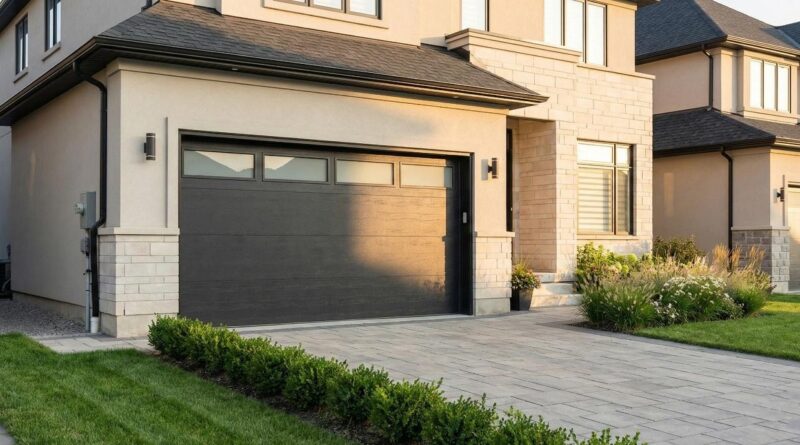
When homeowners think about renovations that boost property value, they often picture granite countertops, hardwood floors, or a fresh coat of paint. Yet one of the largest and most hardworking components of the home the garage door is frequently overlooked. Occupying up to 40% of a home’s exterior facade, the garage door plays a massive role in curb appeal, energy efficiency, and security.
Neglecting this massive moving wall can lead to more than just a noisy exit in the morning; it can compromise the safety of your home and lower its market value. Whether you are planning to sell or simply want to protect your investment, understanding the importance of garage door health is the first step toward a safer, smarter home.
The First Line of Defense
For many families, the garage door has replaced the front door as the primary entry point. It is the threshold we cross multiple times a day, often with children and pets in tow. This heavy reliance means the mechanical components springs, cables, and rollers are under constant stress.
A malfunction here isn’t just an inconvenience; it’s a security risk. A door that doesn’t close all the way or has a faulty lock is an invitation to intruders. Modern garage systems now come equipped with rolling-code technology and smart monitoring, turning the garage from a vulnerability into a fortress. Ensuring your system is up to date and functioning correctly is one of the most practical security upgrades you can make.
Curb Appeal and ROI
Real estate experts consistently rank garage door replacement as one of the top home improvement projects for return on investment (ROI). Because it dominates the visual landscape of the house, a dented, rusted, or outdated door drags down the aesthetic of the entire property. Conversely, a modern, well-maintained door signals to buyers that the home has been cared for.
However, you don’t always need a full replacement to see benefits. Regular maintenance and addressing issues like misaligned tracks or worn panels can restore the door’s operation and appearance. If your door is making grinding noises or moving unevenly, scheduling professional garage door repair can prevent minor wear from turning into a major eyesore that scares off potential buyers.
Energy Efficiency Matters
In climates with distinct seasons, the garage acts as a buffer zone between the outdoors and your living space. If your garage is attached to the house, a poorly insulated or unsealed door allows cold drafts in winter and heat in summer to seep into adjacent rooms. This forces your HVAC system to work harder, driving up utility bills.
Upgrading to an insulated door or simply replacing worn weatherstripping can make a noticeable difference in your home’s thermal efficiency. It keeps your car and stored belongings protected from extreme temperatures and creates a more comfortable environment for workshops or laundry areas located in the garage.
The Local Angle: Weathering the Elements
Homeowners in the Pacific Northwest face unique challenges. The constant moisture, salt air, and shifting temperatures in the region can accelerate rust and wear on mechanical parts. Wooden doors may warp, and steel components can corrode if not properly treated.
For residents in areas like King County, local expertise is vital. A technician familiar with the specific climate conditions can recommend the right materials and maintenance schedules to extend the life of your door. If you are noticing signs of weather damage or mechanical struggle, reaching out for garage door repair seattle services ensures that your system is tuned to withstand the local environment, keeping your home secure and dry through the rainy season.
Conclusion
Your garage door is a workhorse that deserves the same attention as your roof or HVAC system. By prioritizing its health, you enhance your home’s security, improve energy efficiency, and maintain the curb appeal that preserves property value. Don’t wait for a breakdown to pay attention to this critical asset; a little proactive care goes a long way.